Choosing the Right eCommerce Platform
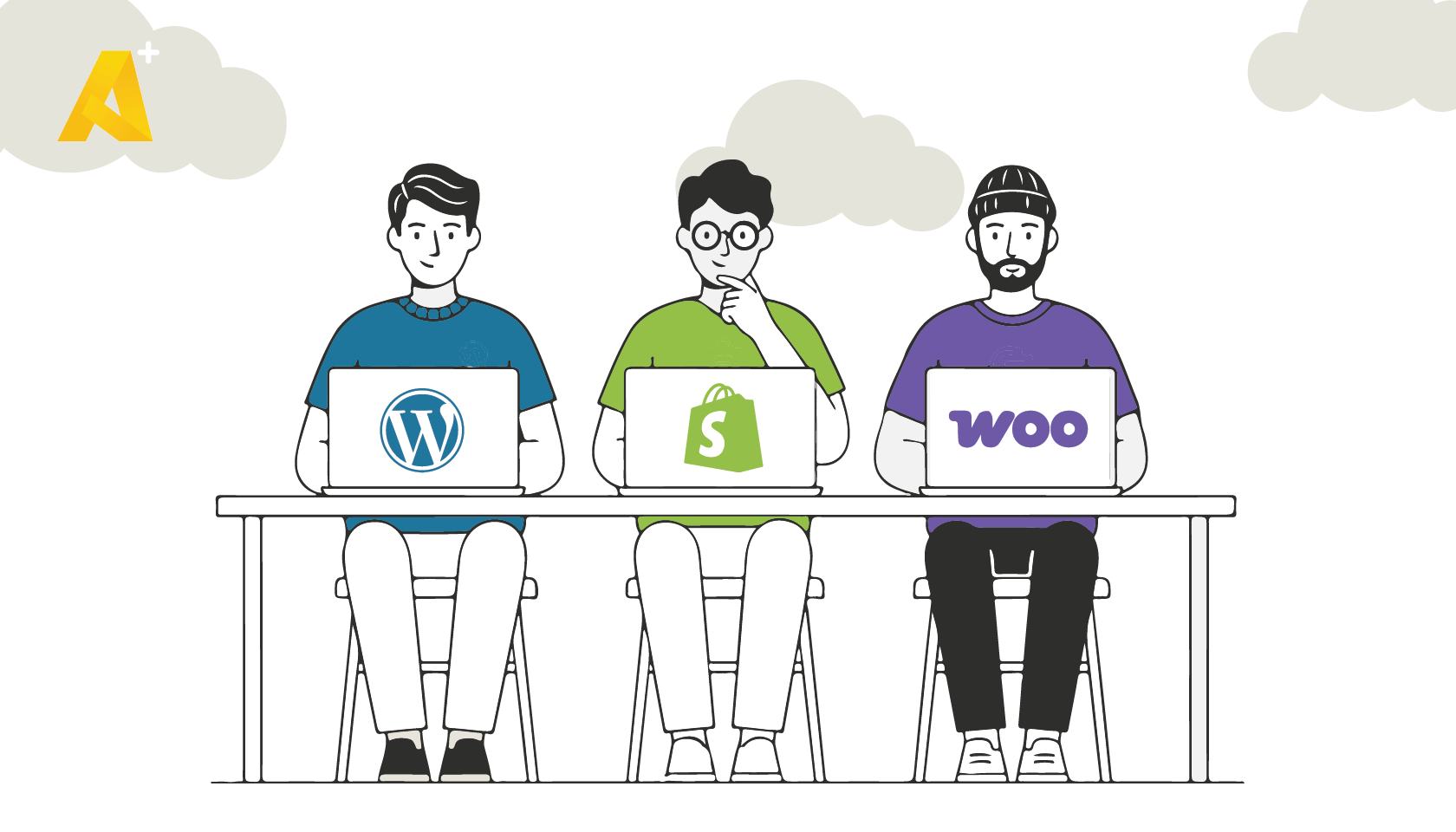
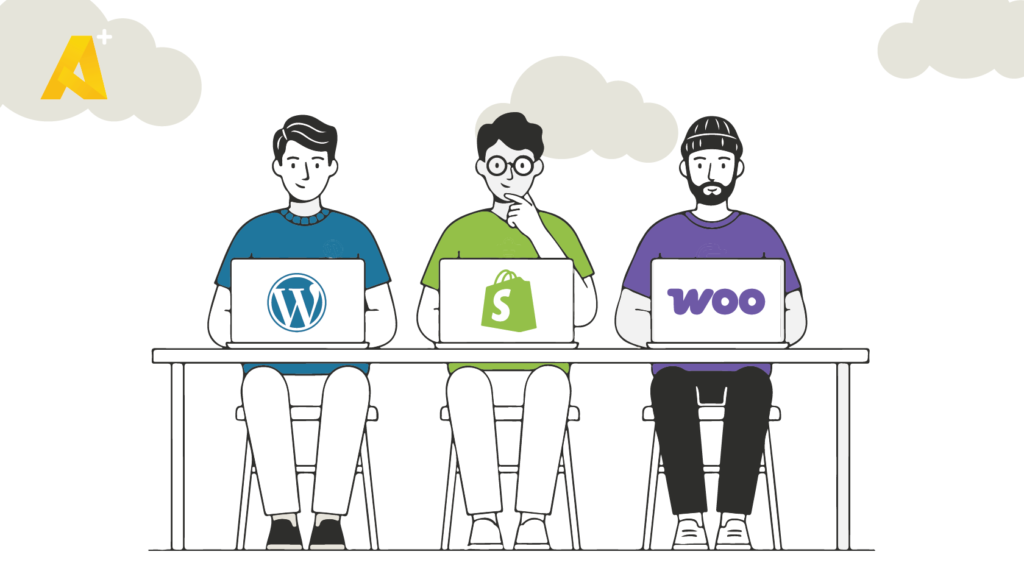
When it comes to building an online store, selecting the right platform can make or break your business. With multiple options available, WordPress vs Shopify vs WooCommerce often becomes the ultimate decision for entrepreneurs and small business owners. At Aplus Tech Solutions, we work with clients across all three platforms and understand that the ideal choice depends on your goals, technical expertise, and budget. In this guide, we’ll explore the strengths and weaknesses of each platform to help you determine the best eCommerce solution for your small business.
Shopify The All-in-One eCommerce Solution
Among the three, Shopify stands out as a fully managed, all-in-one eCommerce platform designed specifically for online stores. It is an ideal choice for startups and small businesses that want to launch quickly without worrying about hosting, security, or technical setup. Shopify’s simplicity and beginner-friendly approach make it easy for non-technical users to design, manage, and run their stores efficiently.
Shopify offers a drag-and-drop store builder that allows you to create a professional, branded shopping experience without writing any code. With a variety of customizable themes and an integrated payment gateway, accepting credit cards and other payment methods is seamless. The platform also provides fast, secure hosting, SSL certificates, and 24/7 customer support, ensuring your store runs smoothly at all times.
However, Shopify comes with monthly fees starting at $39, and additional transaction fees apply if you don’t use Shopify Payments. While it’s easy to customize, it doesn’t offer the same design flexibility as WordPress, and more advanced design changes may require knowledge of Shopify’s Liquid programming language. Overall, Shopify is best suited for entrepreneurs seeking a hassle-free, quick-to-launch online store.
WordPress + WooCommerce: Power and Flexibility
WooCommerce, a plugin built exclusively for WordPress, provides unmatched flexibility and scalability for online stores. WordPress is the most widely used content management system globally, and combining it with WooCommerce gives businesses complete control over both design and functionality. With WordPress + WooCommerce, you can fully customize your website using themes, plugins, and code to create a unique shopping experience tailored to your brand. The vast ecosystem of plugins allows for enhanced features like custom checkout options, advanced filtering, multilingual support, and more. WooCommerce itself is free, so the only costs involve hosting, domain registration, and any premium plugins or themes you choose. This makes it an affordable choice for budget-conscious businesses while offering powerful SEO capabilities to boost organic traffic. On the downside, WordPress + WooCommerce requires more technical knowledge to set up and maintain. You are responsible for hosting, security, and website maintenance, which can be challenging for non-technical users. Plugin conflicts can also arise if not managed carefully. Despite these considerations, WordPress + WooCommerce is ideal for businesses seeking long-term growth, full customization, and SEO-optimized, content-driven eCommerce websites.
WordPress Without Woo Commerce Best for Content-Driven Sites
WordPress alone is an excellent choice if your main goal is to create a content-focused website rather than sell products online. It is highly customizable with a vast library of themes and plugins and offers strong SEO tools for blogs, portfolios, and lead-generation sites. WordPress is cost-effective, as it only requires hosting and a domain to get started, making it a great option for freelancers, coaches, consultants, and creative agencies.
The primary limitation of WordPress without WooCommerce is its lack of built-in eCommerce capabilities. You cannot manage products, process payments, or handle deliveries without an additional plugin. Regular updates and backups are also necessary to maintain security and performance. For content-driven businesses that prioritize blogging, lead generation, or service promotion, WordPress alone remains a powerful, flexible solution.
How to Choose the Best Platform for Your Business
Choosing between WordPress vs Shopify vs WooCommerce depends on your business goals, technical expertise, and growth plans. If you need to launch quickly with minimal technical knowledge, Shopify is the most suitable option. If you want full control over customization, scalability, and SEO, WordPress with WooCommerce is the better choice. For content-focused websites without online stores, WordPress alone is ideal.
There is no universally “best” platform. Each has its unique advantages depending on your business type and long-term strategy. At Aplus Tech Solutions, we assess your budget, growth objectives, and technical resources to recommend the platform that aligns perfectly with your needs.
Final Thoughts
When comparing WordPress vs Shopify vs WooCommerce, it’s not about which platform is objectively better, but which platform suits your business requirements. Shopify is ideal for quick and easy eCommerce setup, WordPress + WooCommerce offers full customization and scalability, and WordPress alone excels in content-driven websites. Choosing the right platform can streamline your operations, enhance user experience, and position your business for long-term success. At Aplus Tech Solutions, we specialize in helping businesses select and implement the perfect platform for their unique needs, ensuring a seamless digital experience and sustainable growth.
FAQs
It depends on your goals. Shopify suits beginners, WooCommerce offers flexibility, and WordPress alone works best for content-driven websites without full eCommerce needs.
Yes, Shopify is beginner-friendly, fully managed, secure, and ideal for startups wanting a quick, hassle-free online store setup.
WooCommerce is free, but you must pay for hosting, domain, themes, and premium plugins if required.
Yes, basic technical knowledge is needed for setup, hosting, security, and plugin management.
Yes, WordPress works perfectly for blogs, portfolios, and service-based websites without selling products online.